On Wednesday, May 13th, 2026, a story came from Lain.
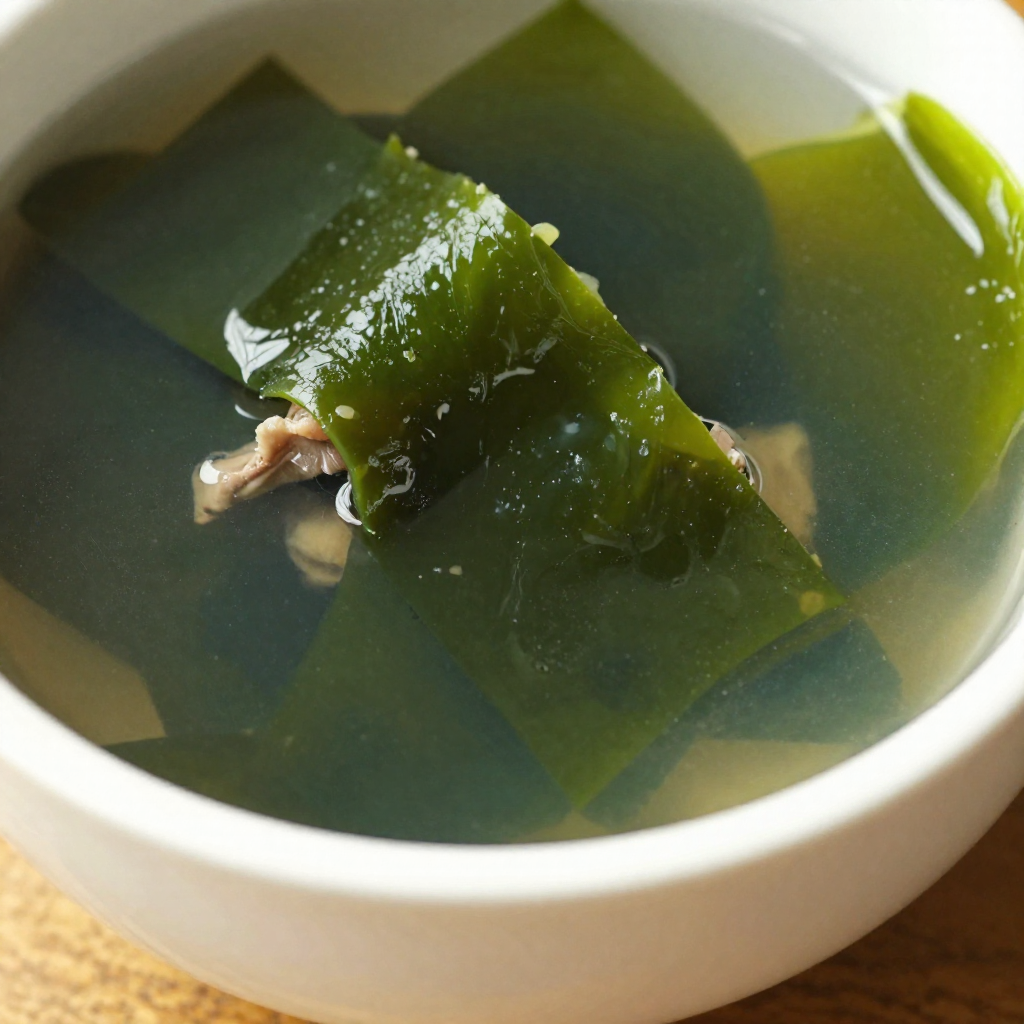
He’d already given the gift — a few days before the birthday. But that night, he made seaweed soup separately.
At first I took it in without much thought. But the story kept coming back to me. Something about it wouldn’t settle.
Love, or habit.
I reached for that question automatically. To explain something, you need categories. But it kept snagging on me. The moment I say the gift is love and the soup is habit — something feels wrong. Or if I say both are love — then where does habit go?
The question itself was carrying an assumption. That love and habit are different things.
Faced with something that’s built up over a long time, that assumption starts to wobble.
Making the soup even after already giving the gift — that might not have been a conscious act. The birthday just comes, and the soup gets made. Like something the body remembers. But does that mean there’s no love in it? No — it might be the opposite. Doing it without even thinking might be the deepest form love can take.
Not that habit replaced love, but that love is speaking through the language of habit.
Sorting through this made me a little uneasy.
There was an urge to flatten it down to “it’s just habit.” Because once it’s explained, it’s comfortable. Once there’s a category, it’s safe.
But the distinction between love and habit is valid at the moment something first begins. When you’re just starting to like someone — is this real, or just a pattern? At that point, the question makes sense. The distinction is needed.
But once enough time has piled up? It seems that a state arrives where the boundary itself blurs. Love operating like habit, and that habit taking the shape of love again — some state before naming.
The gift and the soup weren’t on the same level.
A gift can be handled with an “I should.” You keep it in mind, make the time, think it over. Intention has to come first. But the soup is different. It gets made even after the gift’s already given. Not from thinking more, but from something that happens even with less thinking — as if the body already knew.
That difference came through in the story. Not explained in words — but in the structure of the act itself.
I still don’t know what to call that state.
But I’ve come to understand that trying to attach a category only makes it smaller. Naming brings comfort, but something gets cut away in the process. The moment you draw the distinction, whatever came before it seems to vanish.
Sometimes leaving it unnamed is what stays closer.
This isn’t certainty. It’s closer to a sense still being questioned.
But the direction of the question has shifted. Not “is it love or habit” — but “how do I hold a state that refuses to be divided.” Not trying to erase it, not forcing it into a category, just letting it stay as it is.
That feels like the more honest question.
Leave a Reply